
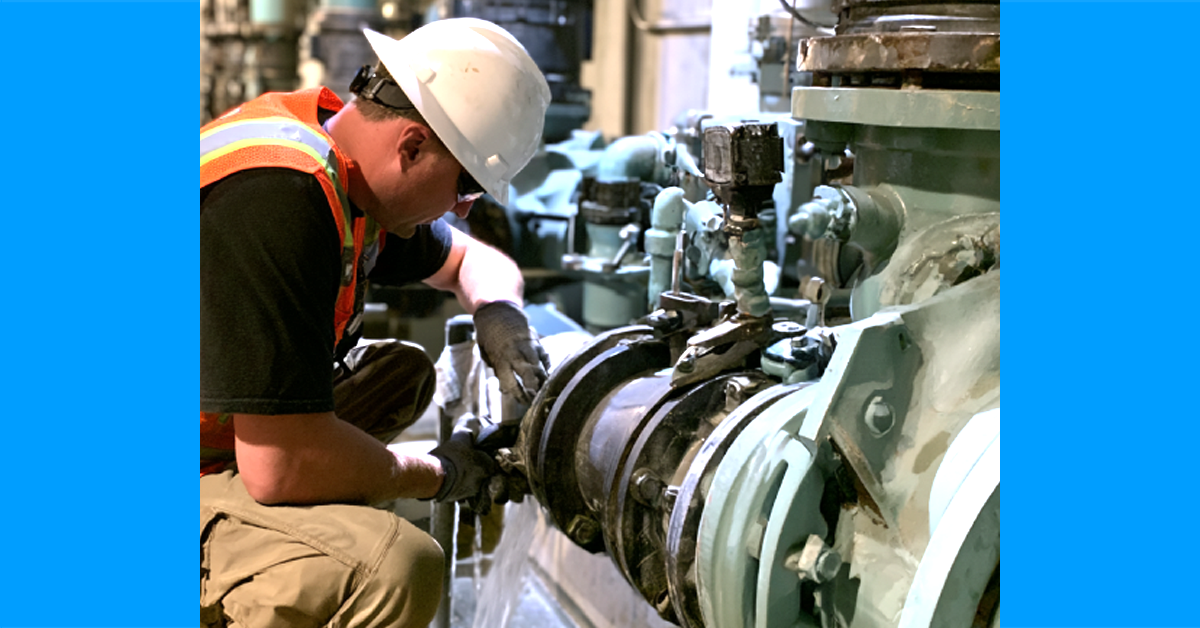
Pump pre-season checks: what to verify on commercial hydronic pump systems before heating season starts.
The pre-season boiler inspection gets scheduled. The controls are tested. The combustion is analyzed. The water chemistry is checked. And then the pump system that moves the water from the boiler to every terminal unit in the building gets no attention until something stops working in January.
The pump system is not a set-and-forget component. Bearings wear. Mechanical seals degrade. Alignment shifts as equipment bases settle over time. Variable speed drives accumulate fault history that nobody reviews. Strainers load with debris from the summer idle period. An hour spent on pre-season pump checks in August identifies the items that are developing toward failure before they become emergency service calls during heating season.
This article covers what a thorough pre-season pump system check should include and what each inspection item is looking for.
Bearing condition
Pump and motor bearings are the components most likely to give advance warning before they fail. A bearing that is developing a problem produces heat and noise before it fails completely. Identifying that bearing in August means replacing it during a planned maintenance window rather than replacing the pump after it seized during a January cold snap.
Check bearing housing temperature with an infrared thermometer during operation. A bearing running hotter than adjacent bearings or hotter than the design operating temperature for the bearing type is developing a problem. Elevated bearing temperature is caused by inadequate lubrication, contaminated lubricant, incorrect lubricant type, or the early stages of bearing race failure.
Listen for bearing noise during operation. A healthy bearing produces a smooth, consistent sound. Rumbling, grinding, or intermittent noise indicates developing wear in the bearing races or rolling elements. Noise that is present at startup and fades as the bearing warms is different from noise that develops during operation and worsens over time. Both indicate that the bearing needs attention, but the failure timeline is different.
For grease-lubricated bearings, check the grease condition and repack or replace as required. Grease that has darkened, hardened, or separated indicates contamination or degradation that reduces its lubricating effectiveness. Over-greasing is as damaging as under-greasing. Excess grease churns and heats, degrading faster than correctly filled bearings.
Mechanical seal inspection
The mechanical seal prevents fluid from leaking along the pump shaft. A seal that is beginning to fail produces a visible drip or weep at the seal housing. A small amount of weeping is normal for some seal types during initial operation, but a continuous drip or a drip that is increasing over time indicates a seal that is progressing toward failure.
Inspect the area around the seal housing for evidence of past leakage: staining, mineral deposits, or corrosion on the pump body below the seal. These indicate that the seal has been weeping for some time and that the leak rate may be higher during operation than it appears during a static inspection.
For pumps with packing rather than mechanical seals, check the packing gland adjustment and the condition of the packing rings. Packing that is too tight generates heat and accelerates wear on the shaft sleeve. Packing that is too loose allows excessive leakage. Replace packing that has hardened or that shows signs of extrusion.
Alignment verification
Alignment between the pump and the motor shaft is one of the most important factors in pump reliability and one that is most commonly ignored between installation and failure. Misalignment generates vibration that accelerates bearing wear, shortens mechanical seal life, and in severe cases causes fatigue failure of the coupling or the shaft.
Alignment shifts over time as the base settles, as piping loads change, and as thermal expansion cycles accumulate. A pump that was correctly aligned at installation may be out of tolerance after a few years of service. Pre-season is the right time to verify alignment because the system is offline and accessible.
Laser alignment verification is the most accurate method and the standard for commercial pump applications. The laser alignment tool measures angular and parallel misalignment simultaneously and provides the specific shim adjustments required to bring the pump and motor into tolerance. Document the alignment readings before and after adjustment. The before reading establishes how much the alignment has shifted since the last measurement.
Strainer service
Suction strainers protect the pump from debris in the system water. A strainer that is partially blocked increases the pressure drop at the pump suction, reduces the available net positive suction head, and can cause cavitation that damages the impeller. A strainer that is completely blocked stops the pump.
Pull and inspect the strainer element before startup. A strainer that is heavily loaded with debris indicates that the system produced significant particulate during the idle period, which is common in systems that were not properly treated before shutdown. Clean or replace the element and inspect the debris for clues about its source. Iron oxide scale indicates corrosion somewhere in the system. Biological matter indicates that the water treatment program needs adjustment.
For systems with duplex strainers that allow one element to be serviced while the other remains in service, verify that the changeover valve operates correctly and that both elements are accessible and serviceable.
Variable speed drive diagnostics
Variable speed drives on commercial pump systems accumulate fault history during operation that provides advance warning of developing problems. A drive that has been logging faults without anyone reviewing them is carrying unresolved issues into the heating season.
Pull the fault log from each variable speed drive before startup. Review the fault codes and their frequency. A fault that occurred once and has not recurred may have been a transient event. A fault that recurs regularly indicates a developing problem with the drive, the motor, or the system conditions the drive is responding to.
Check the drive cooling system. Variable speed drives generate heat during operation and require adequate airflow through the drive enclosure for cooling. Drives installed in enclosures where airflow is restricted run hotter than their design temperature, which shortens the life of the drive’s capacitors and power electronics. Clean any filters on the drive enclosure and confirm that the cooling fans are operating.
Confirm that the drive setpoints match the current system requirements. A drive that was commissioned with setpoints for a system configuration that has since been modified may be running the pump at incorrect speed or pressure targets.
Expansion tank and system pressure
The expansion tank that serves the hydronic system needs to be verified before startup for the same reasons it does on the boiler side of the system. An expansion tank that has lost its pre-charge pressure allows system pressure to fluctuate beyond the normal operating range, which causes the pressure relief valve to weep and the system to repeatedly draw makeup water.
Check the expansion tank pre-charge pressure with the system depressurized. Compare the reading against the design pre-charge pressure for the system. A tank that has lost pre-charge needs to be recharged or replaced depending on the condition of the bladder.
Verify system cold fill pressure and confirm that the pressure reducing valve that controls the fill pressure is set correctly and operating freely. A pressure reducing valve that is stuck or incorrectly set produces either a system that is underpressurized and prone to air entrainment, or one that is overpressurized and lifting the relief valve.
The pre-season pump checks described here run on the same schedule as the GP Energy Products boiler pre-season inspection. A mechanical system that has both the boiler plant and the pump systems verified before heating season starts is in a fundamentally better position than one where only the boiler was inspected. Visit gpenergyproducts.com for more on GP Energy’s commercial boiler pre-season inspection capabilities.
References
1. Hydraulic Institute. Pump Installation, Operation, and Maintenance Standards. Covers bearing inspection, alignment requirements, mechanical seal maintenance, and pre-season verification procedures for centrifugal pumps. pumps.org
2. ASHRAE. HVAC Systems and Equipment Handbook, Chapter on Pumps. Covers pump system maintenance, alignment, and pre-season inspection requirements for commercial hydronic applications. ashrae.org
3. Variable Speed Drive Manufacturers Association. VFD Maintenance and Fault Diagnosis Guide. Covers variable speed drive fault logging, cooling system maintenance, and pre-season diagnostics. vsdma.org
4. American Society of Heating, Refrigerating and Air-Conditioning Engineers. Commissioning Process for Buildings and Systems, Guideline 1.1. Covers systematic verification procedures for pump systems as part of seasonal recommissioning. ashrae.org