
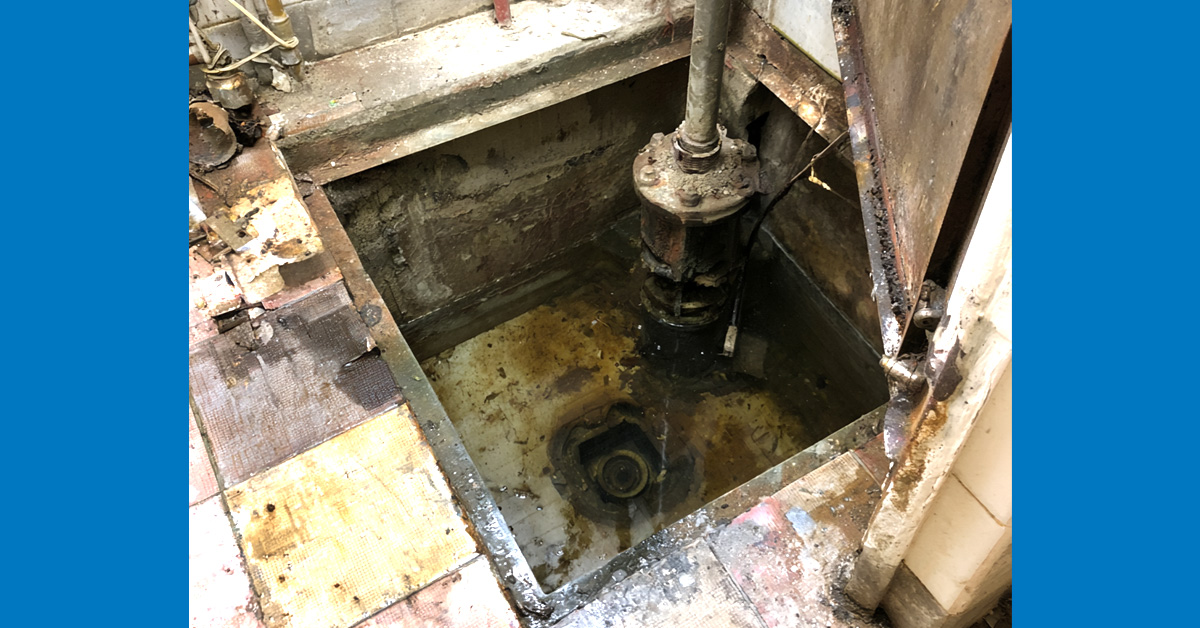
Elevator sump pumps: selection, sizing, and what goes wrong when the wrong pump goes in.
The elevator pit is one of the most consistently neglected spaces in a commercial building. It sits at the lowest point of the elevator shaft, it collects water from groundwater infiltration, condensation, and occasional plumbing leaks, and it gets no attention whatsoever until the pump fails, the pit floods, and the elevator goes out of service.
When that happens, the conversation moves fast. The building engineer needs a pump, they need it to fit in the pit, they need it to handle the water volume the pit accumulates, and they need it to turn on automatically without anyone having to manage it manually. Most of the time, the pump that gets ordered is the first submersible pump that ships quickly and fits the budget. Most of the time, that is the wrong pump.
Getting elevator sump pump selection right is not complicated. It requires knowing a few specific things about the application and matching the pump to those requirements. This article covers what those requirements are, where the common selection mistakes happen, and what the right selection process looks like.
Why elevator pits accumulate water
Elevator pits are typically located below grade. In buildings with any groundwater presence, water infiltrates through the pit walls and floor continuously. The rate of infiltration depends on soil conditions, the quality of the waterproofing, the age of the building, and seasonal groundwater levels. A pit that stays dry in summer may accumulate water rapidly during spring thaw or after heavy rain.
Condensation is the second source. In humid conditions, the temperature differential between the pit and the surrounding ground causes moisture to condense on the pit walls and floor. In buildings with steam or hot water systems in the basement, heat radiating from mechanical equipment can increase condensation rates in adjacent spaces including elevator pits.
Plumbing leaks are the third source. A slow drain line leak or a valve that weeps above the pit can accumulate water gradually without being detected until the pit level triggers an alarm or the pump fails to keep up.
All three sources can be present simultaneously, and the design flow rate for the sump pump needs to account for the worst-case combination, not the average condition.
What goes wrong when the wrong pump goes in
The most common elevator sump pump failures fall into four categories, and all four are predictable from the selection stage.
Undersized pump. A pump selected for average inflow rate rather than peak inflow rate will run continuously during high infiltration periods and never fully dewater the pit. Continuous operation at or above the pump’s design point accelerates wear on the motor and impeller and shortens the service life significantly. In submersible pump applications, motor cooling depends on the water surrounding the motor. A pump running in a nearly empty pit with the motor partially exposed to air will overheat.
Wrong float switch configuration. The float switch controls when the pump turns on and off. If the activation level is set too high, the pump allows water to accumulate to a level that may trigger an elevator safety shutdown before the pump activates. If the off level is set too low, the pump runs dry at the end of each cycle, which damages the mechanical seal and the impeller. The float switch configuration needs to match both the pit dimensions and the elevator manufacturer’s minimum water level requirements.
Incorrect discharge configuration. Elevator pit sump pumps discharge either to the building’s sanitary drain system or to a dry well or storm drain depending on local plumbing code requirements. The discharge line needs to include a check valve to prevent backflow when the pump shuts off, and the discharge pipe diameter needs to be sized for the pump’s output without creating backpressure that reduces flow. A discharge line that is too small, too long, or that rises significantly before reaching the drain will reduce the effective capacity of the pump.
Wrong material selection for the pit environment. Elevator pits in coastal buildings, buildings with aggressive groundwater chemistry, or buildings near de-icing salt application areas may expose the pump to water chemistry that is corrosive to standard cast iron or stainless steel pump components. Material selection needs to account for the actual water chemistry in the pit, not just the nominal application.
Sizing the elevator sump pump correctly
Correct sizing starts with the pit dimensions and the expected inflow rate. The pump needs to be able to dewater the pit from its maximum allowable level to the minimum safe level in a reasonable cycle time, and it needs to do so at the peak inflow rate the pit will experience.
For most commercial elevator pits, the sizing process involves three inputs: the pit floor area, which determines the volume of water per inch of pit depth; the maximum allowable water level before the elevator safety system activates; and the peak inflow rate, which should be estimated conservatively based on the building’s groundwater conditions and historical performance if available.
From those inputs, the required pump flow rate is calculated as the sum of the peak inflow rate plus the volume of water to be removed per cycle divided by the target cycle time. The result gives the minimum pump capacity needed to maintain the pit level below the safety threshold under worst-case conditions.
Pump selection should then confirm that the selected pump’s performance curve delivers the required flow rate at the actual total dynamic head of the installation, which includes the static lift from the pit floor to the discharge point plus the friction losses in the discharge piping.
Controls and monitoring
Automatic operation is a requirement, not a preference. Elevator pit sump pumps need to activate and deactivate without manual intervention. A duplex configuration with a primary pump and a standby pump is worth specifying in buildings where elevator downtime has significant operational consequences. The standby pump activates automatically if the primary pump fails or if the pit level continues to rise after the primary pump has been running.
High-water alarms connected to the building management system provide early warning of pump failure or inflow rates that exceed the pump’s capacity. In buildings where elevator availability is operationally critical, a high-water alarm that pages the facility team before the elevator shuts down is a straightforward investment relative to the cost of an elevator outage.
The right conversation before the pump is ordered
Merion Pump works with building engineers and facility managers on pump selection across commercial building applications. For elevator pit applications, the conversation starts with the pit dimensions, the expected inflow conditions, the discharge configuration, and the elevator manufacturer’s minimum water level requirement. Those inputs take a few minutes to gather and they drive a selection that performs correctly for the life of the installation rather than one that gets replaced in three years because it was undersized or configured incorrectly.
For buildings where the elevator sump pump is part of a larger mechanical systems project, the FabPro Systems team designs and fabricates custom packaged pump systems that can include the sump pump, controls, float configuration, and discharge piping in a single factory-assembled and tested package. Visit fabprosystems.com to learn more about the packaged approach for building mechanical systems.
References
1. Hydraulic Institute. Pump Selection Guide for Sump and Sewage Applications. Covers submersible pump selection, float switch configuration, and discharge piping design. pumps.org
2. ASME A17.1. Safety Code for Elevators and Escalators. Covers minimum pit depth, drainage requirements, and water level limits for elevator pit applications. asme.org
3. International Plumbing Code. Section on Elevator Machine Room and Pit Drainage. Covers discharge requirements and connection to building drain systems. iccsafe.org
4. Elevator World. Elevator Pit Waterproofing and Drainage Best Practices. elevatorworld.com